
Hindu Mythology T-Shirts: Respect or Appropriation?
Hindu Mythology T-Shirts: Respect or Appropriation?
Table of Contents
A few years ago, a popular Western fashion brand dropped a sneaker with a Ganesha print on the sole. The backlash was instant. Putting a deity’s image on something people walk on — something that touches the ground, that enters bathrooms — wasn’t just insensitive. For millions of Hindus, it was genuinely hurtful.
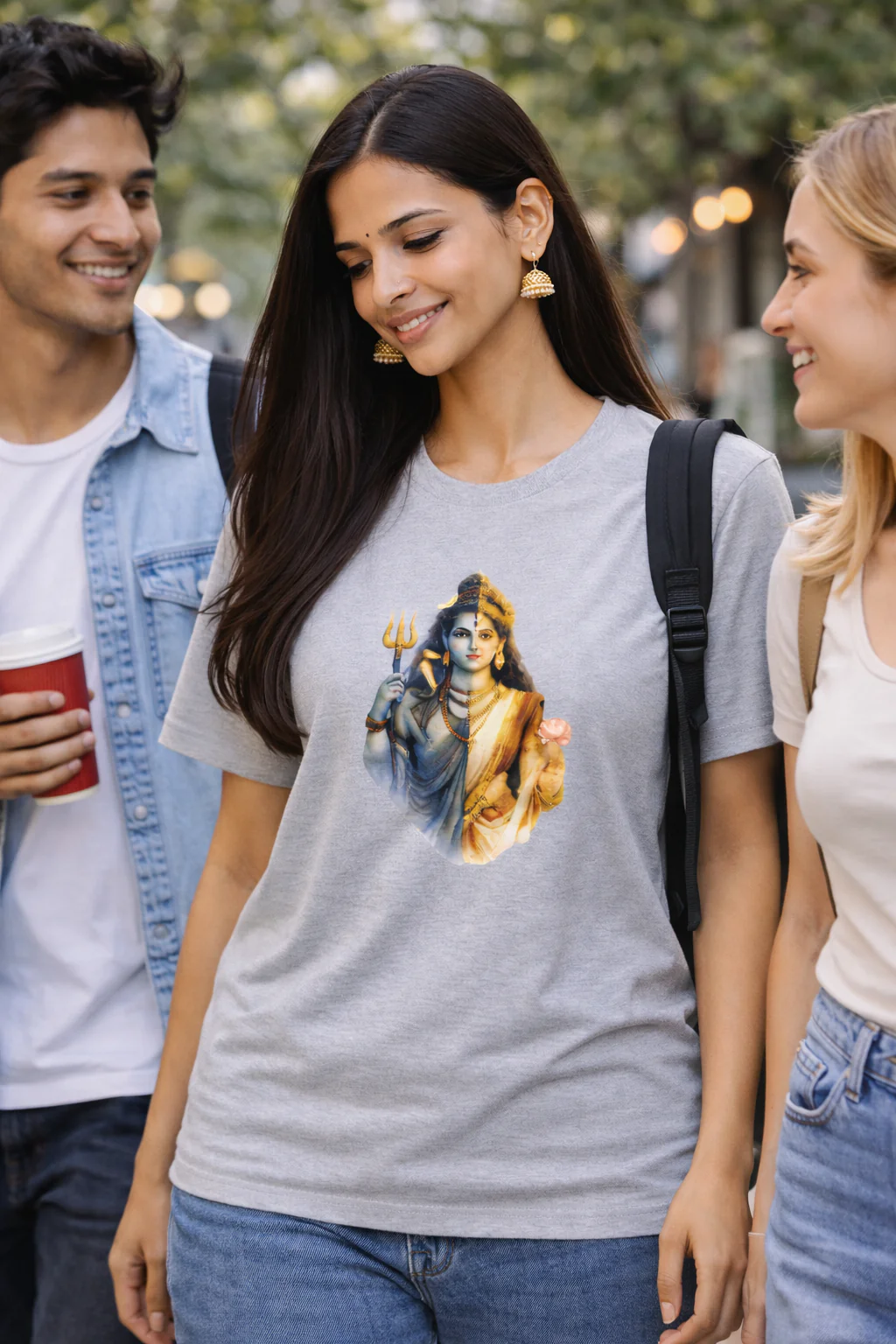
But here’s the nuance most conversations miss: the problem wasn’t that they used the image. The problem was how they used it — without knowledge, without respect, and without care.
That distinction matters a lot. Because mythology-inspired fashion isn’t inherently wrong. Done right, it’s one of the most powerful forms of cultural celebration. Done carelessly, it becomes something else entirely.
This guide breaks it all down — clearly, honestly, without taking extreme positions on either side.
Hindu Mythology T-shirts: First, Let’s Define the Terms
Cultural appreciation is engaging with another culture’s traditions, art, or symbols with genuine respect, curiosity, and understanding. You acknowledge where something comes from. You learn its meaning. You honor its context.
Cultural appropriation is when elements of a culture — especially a marginalized or historically exploited one — are borrowed without acknowledgment, understanding, or respect, often for profit or aesthetics alone.
The line between the two isn’t always crisp. But the intent, the context, and the execution usually make it pretty clear which side you’re on.
Also Read : New Clothing Brand In India : Discover Matrikano
Why Hindu Mythology Is a Particularly Sensitive Space
Hinduism isn’t just a religion — it’s one of the oldest living civilizations on Earth. Its symbols, deities, and iconography carry layers of philosophical, spiritual, and ritualistic meaning that took centuries to develop.
A Trishul isn’t just a cool-looking weapon. In Shaivite tradition, it represents the three fundamental forces — creation, preservation, and destruction. Kali’s outstretched tongue isn’t “fierce aesthetic” — it has deep Tantric significance around the dissolution of ego. Ganesha’s broken tusk has a story behind it. So does every mudra, every weapon, every color of every deity’s garment.
When these symbols are flattened into “cool graphics” without any acknowledgment of that depth, something real is lost — and a lot of people feel it.
This is especially true given that Western brands have historically profited from Hindu imagery while Indian brands and artisans doing the same work were overlooked. That history matters.
What’s Respectful: The Appreciation Side
So what does it actually look like when someone engages with Hindu mythology t-shirts well in fashion? Here’s what separates appreciation from appropriation:
1. You understand what you’re wearing.
You know the story behind the deity or symbol. You didn’t just Google “cool Indian god” and print the first result. There’s genuine curiosity and learning behind the choice.
2. The symbol is treated with visual dignity.
The design doesn’t place the deity in a degrading or comical context. It isn’t printed on socks, shoes, underwear, or anything that puts sacred imagery in contact with the ground or in proximity to the body in a disrespectful way.
3. The brand communicates the meaning.
The best hindu mythology fashion brands tell you who is on the tee and why. That educational layer transforms a product into a cultural conversation. It shows the brand did the homework.
4. The purpose is celebration, not costume.
There’s a difference between wearing something because you find it meaningful versus wearing it because it looks exotic or edgy. One is appreciation. The other slides into appropriation.
5. You’re buying from brands rooted in the culture.
This one matters more than most people think — we’ll come back to it.
What’s Disrespectful: Clear Lines to Not Cross
Some things are genuinely straightforward. These aren’t grey areas:
- Deity imagery on footwear — Placing gods’ faces or sacred symbols on shoes or soles is deeply offensive in Hindu tradition. The feet are considered the lowest part of the body, and anything placed there in relation to the divine is considered disrespectful.
- Using sacred imagery for shock value or humor — Dressing as Kali for Halloween, or using deity imagery as a punchline, trivializes a living religious tradition.
- Mixing sacred symbols with profane or sexualized content — A Durga image next to explicit messaging isn’t “edgy art.” It’s disrespectful to millions of devotees.
- Stripping symbols of meaning for pure aesthetic — A foreign brand using the Om symbol as a “zen aesthetic” accessory, with no acknowledgment of its spiritual depth, is the definition of taking without understanding.
- Profiting from cultural imagery while excluding the culture — When international brands earn millions from Hindu iconography while Indian designers doing the same work can’t get distribution, that’s a systemic problem worth naming.
The “But I’m Indian, So It’s Fine” Assumption
Here’s an honest note for Indian brands and wearers too — being Indian doesn’t automatically make every use of religious imagery appropriate.
Even within India, there’s real nuance. Some communities have strong feelings about deities being used commercially at all. Some regional traditions have very specific rules about how certain symbols can be depicted. A brand designing a Tantra-tradition deity might offend a more devotional Hindu, and vice versa.
The key is the same regardless of background: do the research, be intentional, and handle the source material with care.
Knowing your mythology deeply — not just surface-level imagery — is what separates a brand building genuine cultural value from one that’s just riding aesthetics.
Religious Sensitivity: A Practical Framework
If you’re a hindu mythologyt-shirts brand, creator, or just someone buying mythology-inspired fashion, here’s a simple framework to ask yourself:
| Question | What It Tests |
|---|---|
| Do I know this symbol’s actual meaning? | Knowledge & intent |
| Would a practicing Hindu find this placement respectful? | Cultural sensitivity |
| Is the brand that made this rooted in this culture? | Ethical sourcing |
| Does the design celebrate or trivialize? | Purpose & execution |
| Is the context (humor, horror, party theme) appropriate? | Contextual respect |
If you can answer those questions honestly and comfortably, you’re probably on the appreciation side. If some of those make you pause — that pause is worth listening to.
Why Supporting Indian-Owned Mythology Brands Actually Matters
This isn’t just an ethical talking point. There’s real substance here.
When you buy a Hindu mythology tee from a brand built by people who grew up inside this culture — who heard these stories from their grandparents, who understand the regional and philosophical nuance, who are building careers around celebrating their own heritage — you’re participating in something genuinely different.
You’re supporting:
- Artists who actually know the iconography they’re designing, not just referencing Google Images
- Cultural storytelling that goes deeper than surface aesthetics
- An economic ecosystem where Indian heritage benefits Indian creators, not foreign corporations
- Brands accountable to the community they draw from — they can’t hide behind ignorance when their own culture calls them out
Brands like Anahat, 108 Clothing, Etihasik, and emerging names like Matrikano are building this space from the inside out. They’re not borrowing the culture. They are the culture, finding its modern visual language.
That’s a fundamentally different thing — and worth choosing consciously when you shop.
Common Myths Worth Addressing
“Any use of religious imagery in fashion is disrespectful.”
Not true. Hindus have used divine imagery in everyday art, textiles, and decoration for thousands of years. The Phad scroll paintings of Rajasthan, Madhubani art, Pattachitra — these traditions put deity imagery on cloth and paper as acts of devotion and cultural expression. Fashion can carry that tradition forward.
“Only Hindus can wear Hindu mythology tees.”
This is overly restrictive. Appreciation from outside a culture is possible and valuable — as long as it’s genuine, informed, and respectful. The goal isn’t a closed-off culture. It’s a respected one.
“It’s just a tee, people are too sensitive.”
When a symbol represents the sacred to hundreds of millions of people, dismissing their feelings as “too sensitive” is itself a form of disrespect. You don’t have to agree with every objection to understand why the conversation deserves seriousness.
The Bottom Line
Hindu mythology in fashion is not a problem. Ignorance dressed up as fashion is.
The difference is always in the depth — how much you know, how carefully you’ve thought about placement and context, whether the brand creating it actually understands what it’s working with, and whether the purpose is celebration or just consumption.
India has one of the richest visual and philosophical traditions on the planet. It deserves to be worn — boldly, beautifully, and with the respect that kind of depth demands.
Buy intentionally. Wear meaningfully. And when in doubt, learn the story before you wear the symbol.
Matrikano designs every piece with the story behind it — because knowing what you wear changes how you wear it.